Pune
08048045940
DGCA Approved Flying School

Commercial Pilot License (CPL) in New Zealand

Phone Number

08048045940

Please keep 0 before dialling the number.

Email Address cpt.abhi@gmail.com

Mon-Thu: 10 AM - 2 PM • Fri: 3 PM - 7AM

Address Royal House building, Karve Rd, near sheetal veg hotel, statue, Kothrud, Pune, Maharashtra-411004

Pune, India, 411004
Description

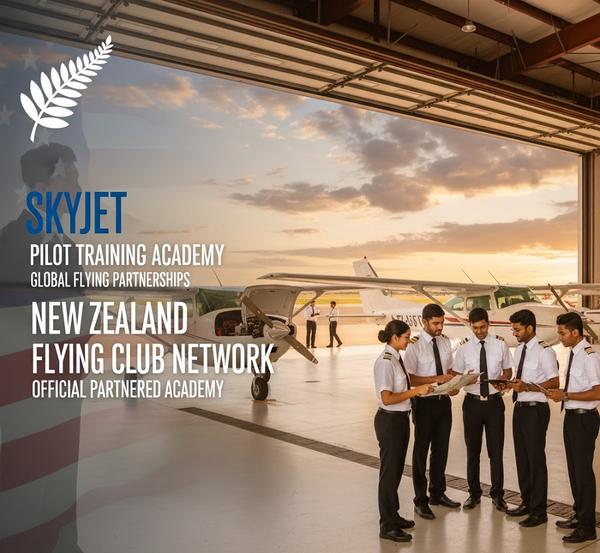
The New Zealand CPL is issued by the NZ Civil Aviation Authority (CAA) and is internationally recognized (ICAO compliant).Many flight schools in NZ offer an integrated course often structured as a New Zealand Diploma in Aviation (Level 5 or 6) which leads directly to the CPL. Key Advantages for Indian Students Pursuing Pilot Training in New Zealand 1. Diverse Flying Environment Training in New Zealand exposes students to a wide range of terrains, including mountains, coastlines, and variable weather conditions. This dynamic flying environment enhances real-time decision-making skills and prepares aspiring pilots for global aviation challenges—making them highly preferred by international airlines. 2. High-Quality & Structured Aviation Training Flight schools in New Zealand are accredited by the New Zealand Qualifications Authority (NZQA), ensuring globally recognized education standards. The curriculum is well-structured and often includes advanced modules such as Multi-Engine Instrument Rating (MEIR) and Airline Transport Pilot License (ATPL) theory, equipping students with industry-ready expertise. 3. DGCA-Aligned Courses for Easy License Conversion Many New Zealand aviation academies design their training programs in line with Directorate General of Civil Aviation (DGCA) requirements. This includes mandated flight hours and cross-country flying experience, allowing Indian students to smoothly convert their foreign license into an Indian CPL without major hurdles. 4. Strong English Proficiency Standards New Zealand is recognized for conducting the ICAO Level 4 English Proficiency Test, which is mandatory for pilots. Training in an English-speaking environment helps students develop strong communication skills, a critical requirement for global aviation safety and coordination. Admission & Eligibility Requirements for Pilot Training in New Zealand To pursue a Commercial Pilot License (CPL) in New Zealand, Indian students must meet the following criteria: Education Qualification Candidates must have successfully completed 10+2 (Higher Secondary) with Physics and Mathematics as compulsory subjects. This academic foundation is essential for understanding aviation theory and flight operations. Age Requirement Applicants must be at least 18 years old at the time of CPL license issuance, as per international aviation standards. Medical Fitness Students must obtain a valid Class 1 Medical Certificate from the Civil Aviation Authority of New Zealand (NZCAA). This may require evaluation by an approved aviation medical examiner to ensure the candidate meets strict physical and mental fitness standards. English Language Proficiency Since aviation communication is conducted in English, candidates are typically required to demonstrate proficiency through exams like: IELTS (Academic) with an overall score of 6.0 (minimum 5.5 in each band), or Equivalent tests such as PTE This ensures compliance with global aviation communication standards. Aptitude Assessment Top aviation academies in New Zealand often conduct entrance evaluations such as the ADAPT Trainee Pilot Pre-screening Test, followed by a personal interview. These assessments evaluate a candidate’s cognitive ability, decision-making skills, and suitability for a pilot career. Character & Background Verification Applicants must satisfy the “Fit and Proper Person” criteria set by the Civil Aviation Authority of New Zealand. This includes submitting a clean record of criminal and transport-related history to ensure safety and reliability in aviation operations. Cost, Duration, and Licensing: Duration: 12 to 18 months (for PPL, CPL, MEIR, and ATPL theory). Total Course Fees (CPL + MEIR): Approximately NZD 110,000 to NZD 120,000, depending on the school and program inclusions. Living Costs: Budget for around NZD 1,500 – NZD 2,200 per month (excluding tuition). Flight Hours: The CPL course requires a minimum of 202 hours of total flight time and 20 Hours on Multi Engine Simulator. License Issued New Zealand Commercial Pilot License (NZCAA CPL). Visa Requirements (Student Visa) Indian students will need a Student Visa to undertake pilot training in New Zealand. Application: Must submit a formal application, including an “Offer of Place” letter from the NZCAA-approved flight school. Fees: Proof of tuition fee payment and payment of the visa application fee. Funds: Evidence of sufficient funds to cover living expenses for the duration of the stay. Medical & Police: A temporary chest X-ray certificate (if the course is longer than six months) and police clearance certificates from India (and any country you’ve lived in for more than 12 months in the last 5 years). Work Rights: Currently, work rights for international students on the CPL training scheme are restricted or suspended, though the regulations are subject to review. Students should assume they cannot work part-time to fund their studies.

Other Our Programs

view all

Card 2

product image
DGCA Approved Flying School

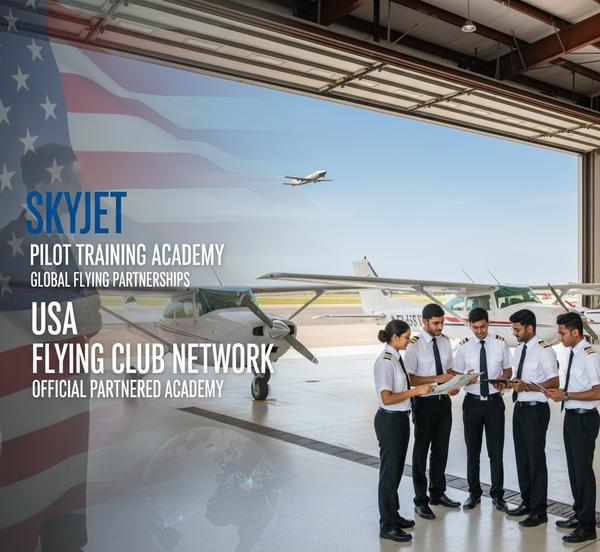
The path typically involves obtaining a FAA (Federal Aviation Administration) CPL in the USA, followed by the mandatory DGCA (Directorate General of Civil Aviation) license conversion process upon returning to India. Pilot training in the United States offers significant advantages for Indian students, especially in terms of speed and efficiency. Due to favorable and consistent flying weather, students can often complete their training within 8 to 12 months, compared to 18–24 months in many other countries. The training is conducted under the highly regulated standards of the Federal Aviation Administration (FAA), ensuring world-class quality, modern aircraft, advanced simulators, and well-structured programs that meet global aviation benchmarks. Another major benefit is the global recognition of the FAA license, which is fully compliant with ICAO standards and widely accepted across the aviation industry, providing a strong foundation for an international flying career. Additionally, certain flight schools offer programs under the F-1 visa, allowing students to gain post-training work authorization—such as working as a flight instructor—to build the required 1,500 flight hours needed for an Airline Transport Pilot License (ATPL), significantly enhancing career progression opportunities. Eligibility & Prerequisites: To begin pilot training, candidates must meet specific age and educational requirements. Students can start their Private Pilot License (PPL) training at a minimum age of 17, while they must be at least 18 years old to apply for a Commercial Pilot License (CPL). Academically, it is mandatory to have completed 10+2 (Higher Secondary) with Physics and Mathematics, as these subjects form the foundation for understanding aviation principles and flight operations. In addition, medical fitness and English proficiency are crucial for a successful aviation career. Candidates must obtain an FAA Class 2 Medical Certificate to begin CPL training, and later secure a DGCA Class 1 Medical for license conversion and employment in India under the Directorate General of Civil Aviation. While exams like IELTS or TOEFL may not always be mandatory to start flying, a strong command of English is essential for visa processes, training, and effective communication in international aviation environments. The CPL Training Process (FAA License): The Commercial Pilot License (CPL) training process in the United States, governed by the Federal Aviation Administration (FAA), follows a structured modular approach designed to build skills progressively. It begins with the Private Pilot License (PPL), where students learn fundamental flying techniques and basic aircraft handling primarily for personal flying. This is followed by the Instrument Rating (IR), which enables pilots to operate under Instrument Flight Rules (IFR), allowing them to fly safely in low-visibility and challenging weather conditions. The final stage is the Commercial Pilot License (CPL), which requires a minimum of 250 total flight hours under Part 61 (or fewer under Part 141), along with specific requirements for cross-country, night flying, and Pilot-in-Command (PIC) experience. To further enhance career opportunities, pilots also obtain a Multi-Engine Rating (MEL), which is essential for operating twin-engine commercial aircraft and is highly valued by airlines worldwide. Visa & Security Clearance Requirements: To pursue pilot training in the United States, Indian students must first obtain the appropriate visa, most commonly the M-1 Student Visa, which is specifically designed for vocational training programs like aviation. To apply, candidates must receive a Form I-20 from a SEVP-approved flight school. In some cases, flight schools affiliated with colleges may offer the F-1 visa, which provides additional benefits such as Optional Practical Training (OPT) after course completion. Alongside the visa application, students are required to pay the SEVIS (Student and Exchange Visitor Information System) fee, which is mandatory for tracking and maintaining their student status in the U.S. In addition to visa formalities, all non-U.S. citizens must undergo a security clearance through the Transportation Security Administration (TSA) under the Alien Flight Student Program (AFSP). This background check is compulsory before commencing any flight training and ensures compliance with U.S. aviation security regulations. Completing these steps is essential for a smooth admission process and to legally begin pilot training in the United States. Cost and Duration (Estimated): Total Cost (CPL + Ratings): Approximately $70,000 to $90,000 USD, depending on the flight school, aircraft used, and student efficiency. Living Expenses: Add roughly $1,000 – $1,500 USD per month for accommodation, food, and transport. Duration: 10 to 12 months (Full-time dedication and good weather are key). FAA to DGCA Conversion (Mandatory to work in India): To work as a pilot with an Indian airline, candidates holding an FAA Commercial Pilot License (CPL) must convert it into a CPL issued by the Directorate General of Civil Aviation (DGCA). This is a crucial final step that ensures compliance with Indian aviation regulations. As part of the conversion process, candidates are required to clear key DGCA theory examinations—Air Regulations, Composite Navigation, and Meteorology—if they haven’t already been completed in India. Additionally, applicants must hold a valid DGCA Class 1 Medical Certificate to meet the required fitness standards for commercial flying. Furthermore, the candidate’s FAA logbook must meet DGCA-mandated minimum flying hours, including requirements such as total flight time, Pilot-in-Command (PIC) hours, cross-country flying, and multi-engine experience, all of which must be properly verified. A skill test (check ride) is also conducted by a DGCA-approved examiner on an Indian-registered aircraft to assess flying proficiency. Lastly, obtaining the RTR (A) license—issued by the Wireless Planning and Coordination Wing (WPC)—is mandatory, as it certifies the pilot’s ability to handle aeronautical radio communication effectively. Flight Training: Flight training in the United States has become increasingly popular among Indian students, making it one of the most preferred destinations for obtaining a Commercial Pilot License (CPL). The country is globally recognized for its advanced aviation infrastructure, offering a vast network of flight schools and modern training facilities. With access to diverse airspace and strict safety regulations, students receive high-quality instruction that equips them with the technical skills and confidence required for a successful aviation career. Weather for Flight Training: The USA’s geographical diversity provides an exceptional advantage for flight training, as students experience a wide range of weather conditions. From clear skies in desert regions to challenging winter climates in northern states, this variety helps aspiring pilots develop strong decision-making and adaptability skills. Additionally, the country’s advanced meteorological systems ensure accurate weather forecasting, enabling safe and well-planned training sessions throughout the program. Living in USA: Living in the United States offers students unmatched global exposure and personal growth opportunities. The multicultural environment allows interaction with people from diverse backgrounds, enhancing communication skills and confidence. Along with access to highly experienced instructors and world-class training standards, pilot training in the USA is often considered cost-effective, making it an attractive option for students seeking quality education and international career prospects in aviation.

Card 2

product image
DGCA Approved Flying School

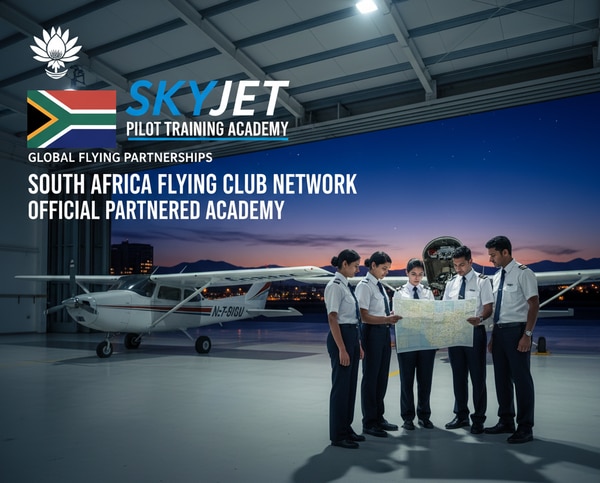
South Africa, a leading aviation hub and an ICAO contracting state, is one of the most practical and cost-effective destinations for Indian students aiming to obtain a Commercial Pilot License (CPL). Known for its excellent flying weather and streamlined license conversion process, the country offers a strong advantage for students planning to convert their foreign license into an Indian CPL through the Directorate General of Civil Aviation (DGCA). Training is conducted under the supervision of the South African Civil Aviation Authority (SACAA), ensuring globally recognized standards and compliance with international aviation norms. South Africa is especially popular among aspiring pilots due to its affordability and high training efficiency. With over 300 sunny flying days annually, particularly around key aviation hubs like Johannesburg and Cape Town, students can complete their CPL training faster—often within 12 to 15 months. Additionally, the country’s diverse geography, including coastal, mountainous, controlled, and uncontrolled airspaces, provides valuable real-world flying exposure. This combination of quality training, varied experience, and lower overall costs makes South Africa an ideal destination for developing skilled and adaptable pilots. Key Advantages of CPL Training in South Africa: 1. Superior Cost-Effectiveness Pilot training in South Africa is widely recognized for its superior cost-effectiveness, making it one of the most affordable destinations globally for aspiring pilots. The total cost of completing a Commercial Pilot License (CPL) along with Instrument Rating and Multi-Engine Rating typically ranges between ₹50 lakh to ₹60 lakh (approximately 9,00,000 to 10,00,000 ZAR), which is significantly lower compared to countries like the USA, Canada, or even India. In addition to lower training fees, the cost of living in South Africa—including accommodation, food, and daily expenses—is relatively economical, helping international students manage their overall budget more efficiently while pursuing high-quality aviation training. 2. Fastest Course Completion One of the biggest advantages of completing pilot training in South Africa is the ability to efficiently finish the required 200 flying hours in a shorter time frame. The country offers highly favorable weather conditions, especially in regions like Gauteng, with over 300 flyable days annually, significantly reducing delays and cancellations. This allows students to complete their flight training within 12 to 16 months, compared to the 18–24 months often required in countries with less predictable weather, such as India. Additionally, the relatively less congested airspace in South Africa ensures minimal ground waiting time, enabling students to maximize their time in the air and gain more practical flying experience efficiently. 3. Globally Recognized & High-Quality Training The quality of training is high and meets international standards, which is crucial for your career. ICAO Compliance: The South African Civil Aviation Authority (SACAA) is a highly respected ICAO (International Civil Aviation Organization) member state. This means the SACAA CPL you earn is globally recognized and accepted by the Indian DGCA for license conversion. Diverse Flying Experience: The country’s varied geography (coastal, mountainous, controlled, and uncontrolled airspace) provides exposure to different flying conditions, creating a more well-rounded and adaptable pilot. English Language: English is the primary language of aviation and is widely spoken in South Africa, eliminating a common barrier faced in non-English-speaking training destinations. Easy RTR Conversion: As a Commonwealth nation, the conversion of your South African Radio Telephony Operator’s License (RTR) to the Indian equivalent is generally a more streamlined process. Phase I: Pre-Departure Preparation (SkyJet Academy, India) focuses on completing all essential Directorate General of Civil Aviation (DGCA) requirements before starting flight training abroad. Students must first confirm their eligibility (10+2 with Physics and Mathematics) and obtain both DGCA Class 2 and Class 1 Medical certificates. During this stage, SkyJet Academy provides end-to-end guidance, including connecting students with DGCA-approved medical examiners and assisting with the Permanent Medical Register (PMR). Students also apply for their DGCA Computer Number via the eGCA portal, where the academy supports documentation accuracy, including board verification and required paperwork. The next steps involve enrolling in DGCA CPL ground classes, where SkyJet Academy delivers structured coaching for key subjects like Air Regulations, Aviation Meteorology, and Air Navigation, along with mock tests and expert faculty support to ensure high success rates. Once exams are cleared, students proceed with selecting a partner South African Civil Aviation Authority (SACAA)-approved flight school in locations such as Johannesburg or Cape Town, with the academy assisting in securing admission and the Letter of Acceptance (LOA). Finally, for visa and travel arrangements, students apply for a South African student visa, while SkyJet Academy provides complete support with documentation, including LOA, medical insurance, and financial proof, ensuring a smooth transition to the training phase abroad. Phase II: Flight Training (SACAA CPL in South Africa) involves relocating to South Africa and beginning hands-on flying training. Upon arrival, students must immediately obtain a Class 1 Medical Certificate from the South African Civil Aviation Authority (SACAA), which is mandatory for acquiring a Student Pilot License (SPL) and typically takes about one week. Following this, students begin their Private Pilot License (PPL) training, which includes both ground school and practical flying with a minimum requirement of 45 flight hours, usually completed within 3 to 6 months. After obtaining the PPL, students move on to advanced training, including hour building and essential ratings required for a CPL. As per South African Civil Aviation Authority guidelines, candidates must complete a minimum of 200 total flying hours, including 100 hours as Pilot-in-Command (PIC), along with Night Rating (minimum 5 hours of night flying), Multi-Engine Rating (MER), and Instrument Rating (IR) with at least 40 hours of instrument time. This phase generally takes 8 to 12 months. Finally, students must pass the CPL/IR checkride conducted by a Designated Flight Examiner, leading to the issuance of a SACAA Commercial Pilot License with IR and MER endorsements. Phase III: DGCA License Conversion (Back in India) After returning to India, converting your foreign CPL into an Indian license is mandatory to work as a professional pilot. The process begins with collecting essential documents, most importantly the Verification of Authenticity Letter for your CPL issued by the South African Civil Aviation Authority, which must be sent directly to the Directorate General of Civil Aviation. This step is crucial for validating your foreign license and typically takes around 1–2 months. Following this, candidates must enroll in an Indian Flying Training Organisation (FTO) to undergo conversion flying, where they demonstrate their flying competency as per DGCA standards using Indian-registered aircraft. The conversion phase includes completing mandatory DGCA check-rides such as the General Flying Test (day and night), Cross-Country Tests (day and night), and the Instrument Rating (IR) test, which are essential to meet Indian aviation regulations. Once all flying tests are successfully completed, candidates must submit their verified logbook, medical certificates, exam results, and skill test reports through the DGCA eGCA portal for final approval, which usually takes 2–4 weeks for CPL issuance. It is advisable to verify details of training partnerships, especially with academies like SkyJet Pilot Training Academy, including their international tie-ups, fleet, and total program cost before enrollment.

Card 2

product image
DGCA Approved Flying School

The New Zealand CPL is issued by the NZ Civil Aviation Authority (CAA) and is internationally recognized (ICAO compliant).Many flight schools in NZ offer an integrated course often structured as a New Zealand Diploma in Aviation (Level 5 or 6) which leads directly to the CPL. Key Advantages for Indian Students Pursuing Pilot Training in New Zealand 1. Diverse Flying Environment Training in New Zealand exposes students to a wide range of terrains, including mountains, coastlines, and variable weather conditions. This dynamic flying environment enhances real-time decision-making skills and prepares aspiring pilots for global aviation challenges—making them highly preferred by international airlines. 2. High-Quality & Structured Aviation Training Flight schools in New Zealand are accredited by the New Zealand Qualifications Authority (NZQA), ensuring globally recognized education standards. The curriculum is well-structured and often includes advanced modules such as Multi-Engine Instrument Rating (MEIR) and Airline Transport Pilot License (ATPL) theory, equipping students with industry-ready expertise. 3. DGCA-Aligned Courses for Easy License Conversion Many New Zealand aviation academies design their training programs in line with Directorate General of Civil Aviation (DGCA) requirements. This includes mandated flight hours and cross-country flying experience, allowing Indian students to smoothly convert their foreign license into an Indian CPL without major hurdles. 4. Strong English Proficiency Standards New Zealand is recognized for conducting the ICAO Level 4 English Proficiency Test, which is mandatory for pilots. Training in an English-speaking environment helps students develop strong communication skills, a critical requirement for global aviation safety and coordination. Admission & Eligibility Requirements for Pilot Training in New Zealand To pursue a Commercial Pilot License (CPL) in New Zealand, Indian students must meet the following criteria: Education Qualification Candidates must have successfully completed 10+2 (Higher Secondary) with Physics and Mathematics as compulsory subjects. This academic foundation is essential for understanding aviation theory and flight operations. Age Requirement Applicants must be at least 18 years old at the time of CPL license issuance, as per international aviation standards. Medical Fitness Students must obtain a valid Class 1 Medical Certificate from the Civil Aviation Authority of New Zealand (NZCAA). This may require evaluation by an approved aviation medical examiner to ensure the candidate meets strict physical and mental fitness standards. English Language Proficiency Since aviation communication is conducted in English, candidates are typically required to demonstrate proficiency through exams like: IELTS (Academic) with an overall score of 6.0 (minimum 5.5 in each band), or Equivalent tests such as PTE This ensures compliance with global aviation communication standards. Aptitude Assessment Top aviation academies in New Zealand often conduct entrance evaluations such as the ADAPT Trainee Pilot Pre-screening Test, followed by a personal interview. These assessments evaluate a candidate’s cognitive ability, decision-making skills, and suitability for a pilot career. Character & Background Verification Applicants must satisfy the “Fit and Proper Person” criteria set by the Civil Aviation Authority of New Zealand. This includes submitting a clean record of criminal and transport-related history to ensure safety and reliability in aviation operations. Cost, Duration, and Licensing: Duration: 12 to 18 months (for PPL, CPL, MEIR, and ATPL theory). Total Course Fees (CPL + MEIR): Approximately NZD 110,000 to NZD 120,000, depending on the school and program inclusions. Living Costs: Budget for around NZD 1,500 – NZD 2,200 per month (excluding tuition). Flight Hours: The CPL course requires a minimum of 202 hours of total flight time and 20 Hours on Multi Engine Simulator. License Issued New Zealand Commercial Pilot License (NZCAA CPL). Visa Requirements (Student Visa) Indian students will need a Student Visa to undertake pilot training in New Zealand. Application: Must submit a formal application, including an “Offer of Place” letter from the NZCAA-approved flight school. Fees: Proof of tuition fee payment and payment of the visa application fee. Funds: Evidence of sufficient funds to cover living expenses for the duration of the stay. Medical & Police: A temporary chest X-ray certificate (if the course is longer than six months) and police clearance certificates from India (and any country you’ve lived in for more than 12 months in the last 5 years). Work Rights: Currently, work rights for international students on the CPL training scheme are restricted or suspended, though the regulations are subject to review. Students should assume they cannot work part-time to fund their studies.